
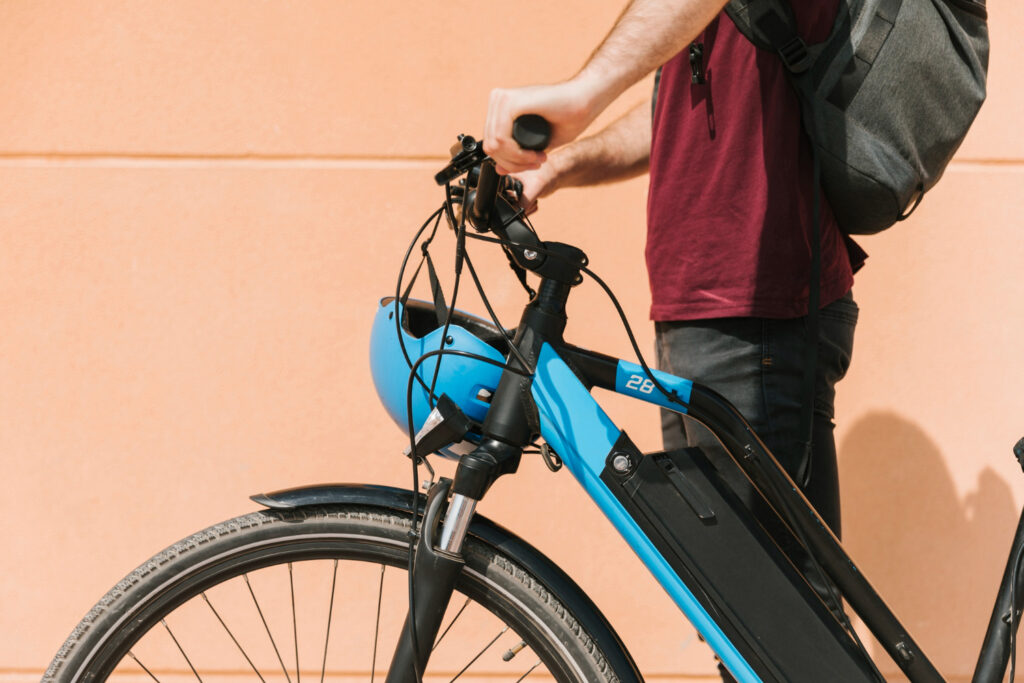
Global sales are stabilizing into a mature market, where the focus has shifted from “more power” to “smarter safety.” Innovations in 2026 are defining the next generation of riding, with heavy emphasis on battery intelligence, automatic drivetrains, and regulatory compliance. This year is shaping up to be a pivotal moment for e-bike users and fleet […]
Table of Contents:
Global sales are stabilizing into a mature market, where the focus has shifted from “more power” to “smarter safety.” Innovations in 2026 are defining the next generation of riding, with heavy emphasis on battery intelligence, automatic drivetrains, and regulatory compliance. This year is shaping up to be a pivotal moment for e-bike users and fleet managers alike.
Key Takeaways:
- Safety First & Standardized: 2026 is the year of compliance. UL certification and new EU battery regulations are becoming the global baseline, pushing safer chemistries and rigorous testing to the forefront.
- Intelligent Battery Management: The “Black Box” era is over. Smart BMS (Battery Management Systems) now communicate detailed health data, paving the way for the future Digital Battery Passports and predictive maintenance.
- Automation & Integration: Automatic shifting and motor-gearbox units (MGUs) are moving from niche to mainstream, making e-bikes easier to ride than ever before.
Urban mobility continues to evolve, and electric bikes are at the forefront of this evolution. While previous years focused on raw speed and range, 2026 is about refinement, reliability, and integration. If you are curious about e-bike trends to watch in 2026, you are in the right place. Read on to find out.
Whether you are a fleet manager, a hardcore user, or an everyday commuter, staying informed about upcoming e-bike trends will help you make smarter buying decisions and stay ahead of the regulatory curve.
What trends are especially worth watching in 2026?
You may be wondering what’s new in 2026. This year is shaping up to be one of the most professionalized years in e-bike development. Here are some of the trends you should be aware of:
The “Safety First” Battery Revolution
In 2026, battery safety is no longer just a feature; it is the primary selling point. Following high-profile industry shifts, top-tier brands must adopt certifications such as UL 2271 and UL 2849 (in North America) and adhere more strictly to EN 15194 (in Europe).
We are also seeing a shift in chemistry. While NMC (Nickel Manganese Cobalt) remains popular for its density, LFP (Lithium Iron Phosphate) is gaining traction in urban and cargo fleets due to its longer lifecycle and higher thermal stability, significantly reducing fire risks.
Smart BMS & The “Battery Passport”
Battery technology is evolving rapidly, and the “brain” of the battery is getting an upgrade. By 2026, advancedbattery systems will be equipped with next-generation communication protocols.
Manufacturers are preparing for the EU’s “Digital Battery Passport” requirements. This means theBMS now does more than just balance cells; it tracks the battery’s entire lifecycle, carbon footprint, and repair history. For users, this means accurate “State of Health” (SoH) readings via mobile apps, ensuring you know exactly how much life is left in your pack before you buy or sell a used e-bike.
Automatic Shifting & Integrated Motors
The days of grinding gears on a steep hill are ending. A massive trend for 2026 is the integration of the motor and transmission. Units like the Pinion MGU or automatic shifting systems from Shimano and Bosch are becoming standard on premium commuter bikes.
These systems automatically detect your cadence and speed, shifting gears for you to optimize motor efficiency and battery range. This reduces drivetrain wear and allows riders to focus purely on the road.
Heavy-Duty Urban Logistics
The “Cargo” trend has evolved into “Logistics.” In 2026, commercial cargo bikes are becoming heavier and more robust, designed to replace delivery vans entirely.
Expect to see dual-battery setups becoming the norm for 100km+ daily ranges without swapping. We are also witnessing standardizations in cargo box fittings, allowing businesses to swap containers between different bike brands, maximizing fleet flexibility.
AI-Driven Range Anxiety Solutions
AI continues to make the list, but now it is more practical. In 2026, AI is being used to kill “range anxiety” through more innovative algorithms.
Instead of a simple “50% remaining” icon, AI-driven displays analyze:
- Topography of your planned route.
- Wind resistance and weather data.
- Your personal riding weight and style.
The system then adjusts the motor’s power output in real time to ensure you reach your destination with charge to spare.
Regulatory & Compliance Shifts
Governments are catching up to the technology. In 2026, the regulatory landscape is clearer but stricter.
- Anti-Tamper Laws: New software locks are making it much more complicated (and often illegal) to “chip” or tune e-bikes for higher speeds.
- Battery Sustainability: Europe is leading the way with strictercompliance requirements for battery recycling and the “Right to Repair,” forcing manufacturers to design packs that can be opened and serviced rather than thrown away.
Riders and business owners must stay up to date to ensure their fleets remain street-legal and insurable.
Summary
The world of e-bikes in 2026 is all about safety, smarts, and reliability. Thanks to advanced BMS data, automatic transmissions, and standardized safety certifications, the e-bike is maturing from a recreational gadget into a serious primary vehicle.
Whether you’re upgrading your current model or building a commercial fleet, prioritizing safety standards and battery intelligence will help you make an informed choice.
Read more:Which battery do I need for my electric bike?
What are the most important e‑bike trends in 2026?
How is AI making e‑bikes safer and smarter?
Why are battery regulations changing in 2026?
About the Author
EMBS
Leading manufacturer of advanced battery systems with a market presence of over 25 years. We specialise in rechargeable lithium-ion batteries, producing a wide range of systems with varying power and capacity.