
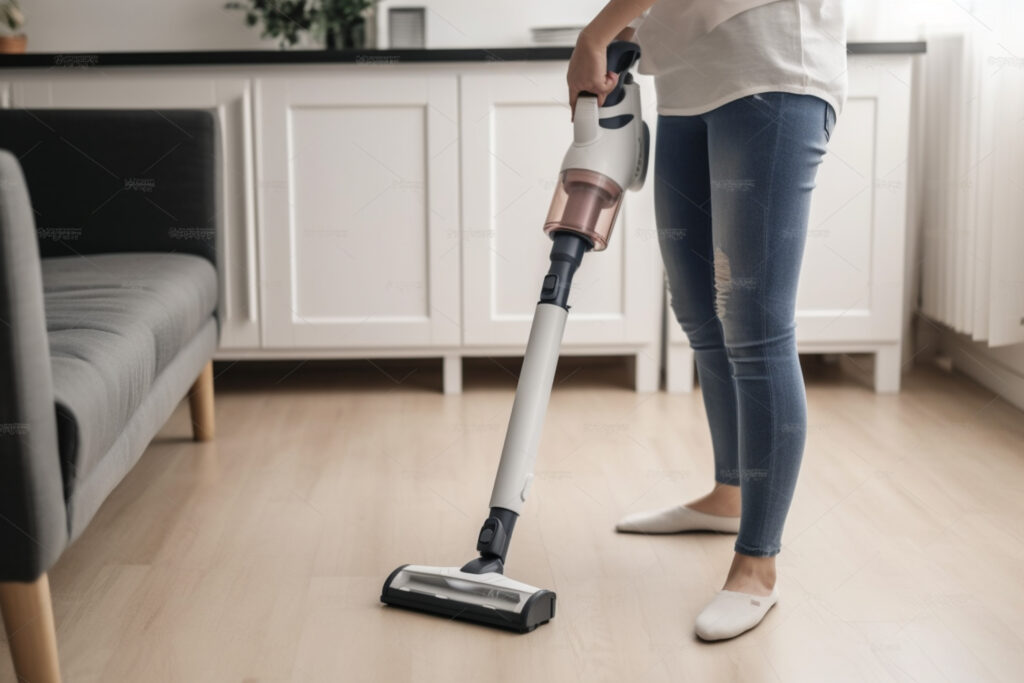
Two numbers matter when you ask how long cordless vacuum batteries last: runtime per charge and total service life in years. Most lithium-ion vacuum packs deliver 15 to 60 minutes per charge and 2 to 5 years of useful life. The exact figures depend on battery chemistry, suction mode, and how you treat the pack between cleans.
Table of Contents:
Key Takeaways
- Most cordless vacuum batteries run 15 to 60 minutes per charge, depending on the suction mode.
- Lithium-ion vacuum batteries typically last 2 to 5 years before noticeable performance loss.
- Expect 300 to 500 full charge cycles before capacity drops below 80 percent.
- Heat, full discharges, and leaving the vacuum on the dock 24/7 cut the lifespan.
- A 30 to 50 percent drop in runtime is the clearest signal that it’s time to replace the pack.
Two numbers matter when you ask how long cordless vacuum batteries last: runtime per charge and total service life in years. Most lithium-ion vacuum packs deliver 15 to 60 minutes per charge and 2 to 5 years of useful life. The exact figures depend on battery chemistry, suction mode, and how you treat the pack between cleans.
Runtime per Charge Depends on Suction Mode
Cordless vacuums have two or three power settings, and runtime swings widely across them. Expect 7 to 15 minutes on max suction, where the motor draws full current. Drop to standard or eco mode, and you stretch the same battery to 30, 45, sometimes 60 minutes.
Stick vacuums with smaller built-in packs run out of power sooner than vacuums with detachable batteries you can swap mid-clean. A 2 Ah pack in a stick vacuum gives you a fast clean. A 4 Ah pack in a tool-style vacuum doubles your window before recharge.
If your runtime falls short of these ranges from day one, the spec sheet is misleading, or the battery left the factory at partial capacity. Test it within the return window.
How Long Do Cordless Vacuum Batteries Last on Average
Lithium-ion is the chemistry in nearly every cordless vacuum sold today, and it ages on a predictable curve. A typical consumer pack handles 300 to 500 full charge cycles before capacity drops to around 80 percent of its new capacity. That works out to 2 to 5 years for most households, depending on how often you vacuum.
Heavier daily use shortens the calendar life, while light weekly use extends it. Premium cells with better thermal management can exceed 700 cycles before the same drop occurs. Several factors affecting the life cycle of a battery, including temperature, depth of discharge, and charge rate, determine where your pack falls within that range.
Heat and Bad Charging Habits Cut Battery Life Fastest
Three things age your vacuum battery faster than anything else. Storing or charging it in a hot garage above 95°F (35°C) accelerates internal degradation. Leaving the pack docked at 100 percent for weeks holds the cells at their highest stress voltage. Letting it sit at 0 percent for days can trigger deep discharge protection or, worse, permanent capacity loss.
The fix is straightforward: store your vacuum at room temperature, unplug it when full, and recharge before it dies completely. These three habits alone can add a year or more to your pack.
Replace the Battery When Runtime Drops 30 to 50 Percent
You don’t need a multimeter to know your vacuum battery is done. You’ll feel it. A vacuum that used to clean three rooms now dies after one. A pack that charged in 90 minutes now charges in 45, then drops to red within a few minutes of use.
Once the usable runtime falls below half of what you got new, replacing the battery costs far less than replacing the vacuum. Most major brands sell direct replacement packs, and the swap takes a screwdriver and five minutes.
Looking for a replacement pack that outlasts the original, or a custom-made battery system for a demanding cordless vacuum or home appliance application? Contact EM Battery Systems to spec a lithium-ion solution matched to your runtime, cycle life, and safety requirements.
FAQ
Can I leave my cordless vacuum on the charger all the time?
Do extreme temperatures damage cordless vacuum batteries?
Is a replacement battery worth it, or should I buy a new vacuum?
About the Author
EMBS
Leading manufacturer of advanced battery systems with a market presence of over 25 years. We specialise in rechargeable lithium-ion batteries, producing a wide range of systems with varying power and capacity.