
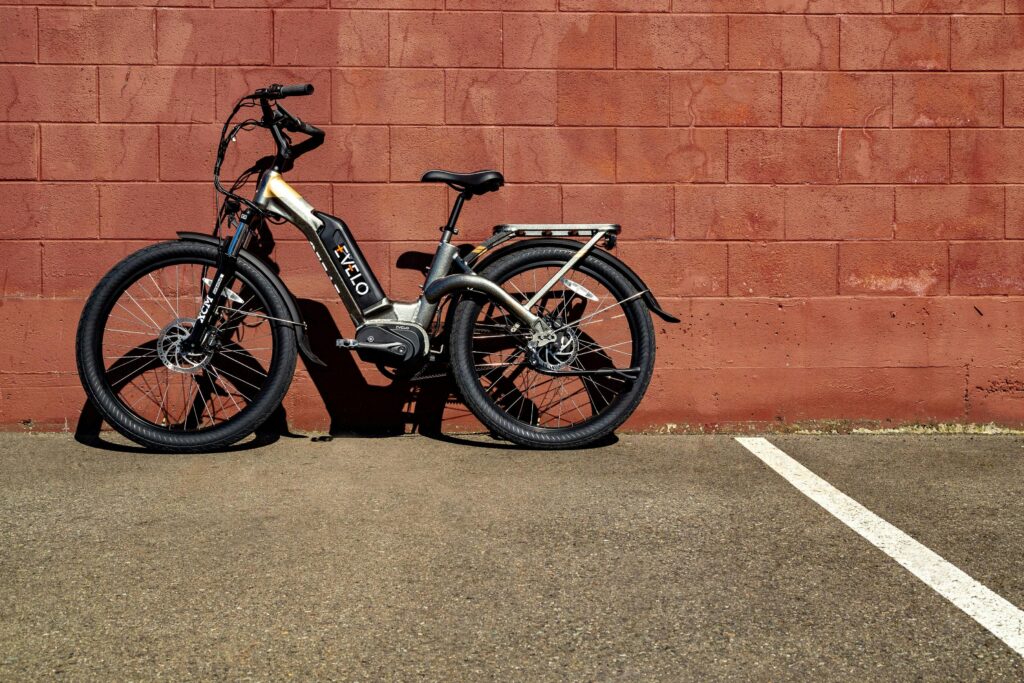
Electric bikes continue to become more and more popular, thanks to their eco-friendliness and efficiency. The battery is a vital component of any electric bike, determining its performance and range. Read more!
Table of Contents:
Key Takeaways:
- Voltage is Fixed, Capacity Can Change: Upgrading requires the new battery to have the exact same voltage (V) as the original system (motor, controller), but the Capacity (Wh) can be increased for extended range.
- Mechanical Fit is Key: The primary practical challenge is ensuring the larger battery physically fits the frame and that the added weight does not compromise the bike’s balance or handling.
- Consult a Professional: Due to risks associated with installation complexity and potential electrical system modifications, seeking advice from a certified technician is crucial to ensure a safe and successful upgrade.
Understanding the Basics: Electric Bike Batteries
Before looking at whether a larger battery is feasible, it’s important to understand the basics of electric bike batteries. These usually use lithium-ion technology, which is has high energy density and a long lifespan, plus are lightweight. A li-ion battery’s energy is measured in watt-hours (Wh), which determines how far an electric bike can be ridden on a single charge.
Lithium-ion batteries are a popular choice for e-bikes because they offer a great balance of performance, weight, and longevity. The higher the Wh rating, the greater the potential range of your e-bike. Understanding this energy storage measurement helps you estimate how much more range a bigger battery could provide.
Factors to Consider
Electric compatibility
Electric bikes are designed with particular battery requirements. Upgrading might not be possible if the new battery doesn’t fit or if the bike’s electrical system isn’t compatible with the higher voltage.
Your bike’s motor controller, wiring, and connections are all calibrated for the voltage of the original battery. A battery with a higher voltage could cause damage to the electrical components unless the system is modified. Before upgrading, ensure that your motor and controller are rated for the new battery voltage.
Mechanical compatibility
Larger batteries nearly always weigh more, and a heavier battery could adversely affect the bike’s balance and handling. Designers need to consider whether the battery will fit into the frame and how it will be housed. Consideration of whether the bike’s frame can support the additional weight is vital.
The bike’s geometry and frame design are key factors in determining whether a larger battery will fit. Many e-bikes have a specific battery compartment that limits the size of the battery you can use. Additionally, adding weight to the bike might affect its handling and comfort, especially for riders who rely on the e-bike’s maneuverability.
Cost
Upgrading to a bigger battery can be costly. This cost is affected not only by the price of the battery itself, but also by the modifications required to the bike’s electrical system. So, it’s important to consider whether the cost can be justified.
Along with the price of the larger battery, you may incur additional costs for wiring modifications, controller upgrades, and labor costs for installation. It’s essential to factor these into your decision to ensure the upgrade fits your budget.
Benefits of a Bigger Battery
- Extended range: A bigger battery’s most obvious advantage is increased range. The more energy stored in the battery, the further you can travel without needing to recharge. Extended range is especially valuable for commuters, long-distance riders, or those using their e-bikes for recreation in areas where charging stations are sparse. A larger battery can help reduce the frequency of recharging stops, making longer trips more feasible without worrying about running out of power.
- Enhanced performance: A bigger cell might also deliver improved performance, allowing for extended life cycles due to less load of cells. When the battery doesn’t need to be fully discharged in each cycle, it reduces stress on the individual cells, helping the battery last longer and perform more consistently throughout its lifespan. This means fewer charging cycles to reach the same range, improving the battery’s overall performance over time.
- Versatility: A larger battery boosts an electric bike’s versatility, making it suitable for longer commutes and even off-road adventures where access to charging stations will be limited. For off-roaders or riders who prefer to use their e-bike for more adventurous routes, a larger battery offers greater peace of mind knowing that you can venture further from charging points, tackling tougher terrain with more consistent power.
Potential Challenges
Installation complexity
Upgrading to a bigger battery will require technical expertise to make the necessary modifications to their bike’s electrical system. Improper installation could damage the bike or even pose safety risks.
It’s essential to have a professional technician handle the installation to ensure that the battery is safely integrated with the bike’s electrical system. Any error in wiring or battery placement could cause electrical failures, overheating, or even fires.
Reduction in portability
Larger batteries are heavy, meaning any bike housing one will be less portable. This would make it challenging to carry the bike in places like public transport.
E-bikes with larger batteries may become too heavy to carry or store in tight spaces like trains or buses. If portability is a key factor for you, it’s worth considering whether the trade-off in performance and range is worth the reduced convenience.
Conclusion
The idea of boosting a bike’s range with a larger battery is certainly tempting, but careful consideration must be given to doing so.
Before proceeding with an upgrade, it’s essential to understand the challenges and feasibility of such a move. Speaking with a professional bike technician or manufacturer is advisable, as doing so will provide insights into the process and help to ensure a smooth transition without safety or functionality being affected.
Ultimately, whether upgrading to a larger battery is worthwhile depends on your specific riding needs, the design of your e-bike, and the costs involved. Consulting an expert ensures that you make an informed decision, maintaining both the safety and performance of your bike.
If you’d like to learn more about the batteries we provide, please reach out to a team member today.
Is it possible to upgrade to a larger battery on my e-bike?
What are the benefits of installing a bigger battery?
Are there any challenges or risks associated with upgrading to a bigger battery?
How can I ensure a safe and effective battery upgrade?
Sources
Pellitteri, F., Boscaino, V., Di Tommaso, A. O., Genduso, F., & Miceli, R. (2013, June). E-bike battery charging: Methods and circuits. In 2013 International Conference on Clean Electrical Power (ICCEP) (pp. 107-114). IEEE. https://www.researchgate.net/profile/Antonino-Di-Tommaso/publication/261431549_E-bike_battery_charging_Methods_and_circuits/links/5c4a20a7a6fdccd6b5c5a0a1/E-bike-battery-charging-Methods-and-circuits.pdf
Hatwar, N., Bisen, A., Dodke, H., Junghare, A., & Khanapurkar, M. (2013, October). Design approach for electric bikes using battery and super capacitor for performance improvement. In 16th International IEEE Conference on Intelligent Transportation Systems (ITSC 2013) (pp. 1959-1964). IEEE.
Taborelli, C., Onori, S., Maes, S., Sveum, P., Al-Hallaj, S., & Al-Khayat, N. (2016). Advanced battery management system design for SOC/SOH estimation for e-bikes applications. International Journal of Powertrains, 5(4), 325-357. https://pangea.stanford.edu/ERE/pdf/OnoriPDF/Journals/25.pdf
Pellitteri, F., Boscaino, V., Di Tommaso, A. O., Miceli, R., & Capponi, G. (2013, October). Wireless battery charging: E-bike application. In 2013 International Conference on Renewable Energy Research and Applications (ICRERA) (pp. 247-251). IEEE.
Tsai, C. C., Lin, W. M., Lin, C. H., & Wu, M. S. (2010, July). Designing a fast battery charger for electric bikes. In 2010 International Conference on System Science and Engineering (pp. 385-389). IEEE.
About the Author
EMBS
Leading manufacturer of advanced battery systems with a market presence of over 25 years. We specialise in rechargeable lithium-ion batteries, producing a wide range of systems with varying power and capacity.