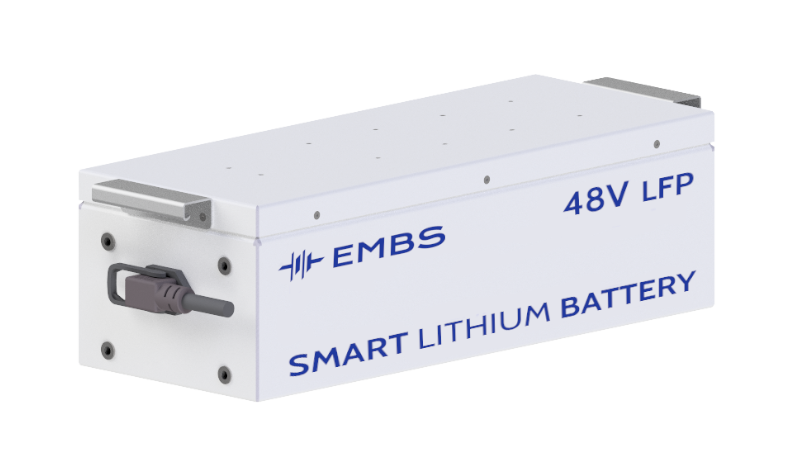

What is the minimum cycle life requirement for energy storage system batteries?
A key requirement for energy storage system batteries is a long cycle life, which often means the battery must be capable of 6,000 or more charge and discharge cycles without significant capacity loss.
Why is the LFP cell chemistry becoming popular for energy storage systems?
LFP (lithium iron phosphate) cell chemistry is becoming popular because it offers higher safety and a longer cycle life than NMC (nickel manganese cobalt) or NCA (nickel cobalt aluminum), which are critical factors for batteries installed in buildings.
How is scalability achieved with lithium-ion batteries for energy storage?
Scalability is achieved by manufacturing high-energy battery modules (2 kWh or more) with flexibility that allows them to be easily connected together to create larger units and systems as necessary.