
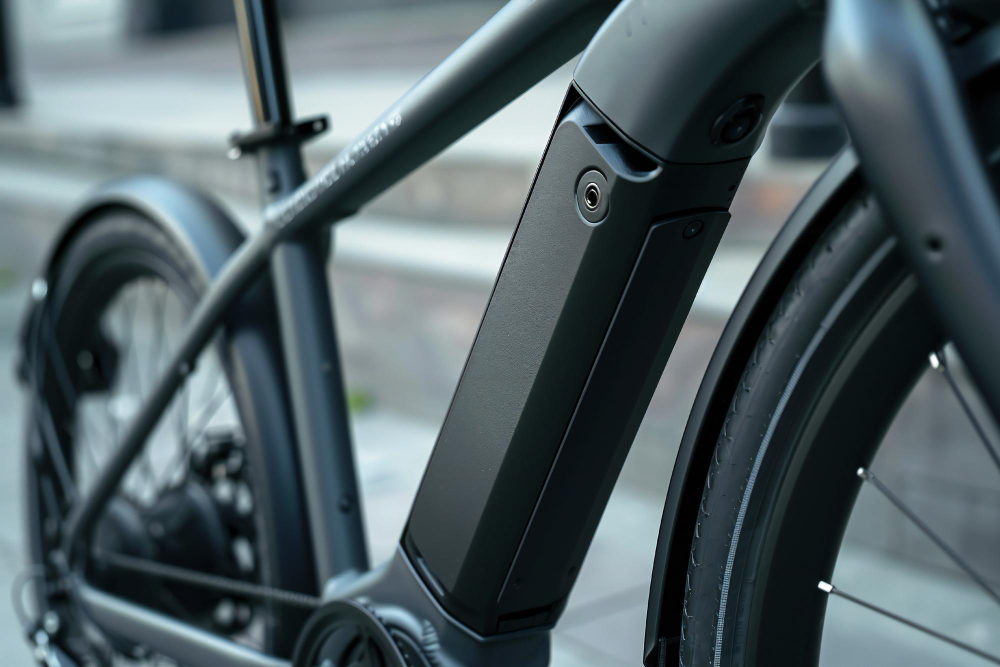
While recharging an e-bike battery at home might seem simple, you need an original charger, a wall socket, and a bit of patience; you also need some knowledge. The way you charge it decides how many seasons the pack will survive. This guide covers how to recharge a bike battery at home safely and what to do when the pack shows no signs of life.
Table of Contents:
While recharging an e-bike battery at home might seem simple, you need an original charger, a wall socket, and a bit of patience; you also need some knowledge. The way you charge it decides how many seasons the pack will survive. This guide covers how to recharge a bike battery at home safely and what to do when the pack shows no signs of life.
Key Takeaways
- You can recharge a bike battery at home with the manufacturer’s charger and a standard wall outlet.
- Charge the pack in a dry room at room temperature and unplug it once the indicator turns green.
- Keeping the charge level between 20 and 85 percent helps a lithium-ion battery last for years.
- A battery that seems dead has often been switched off by its protection system and may still accept a charge.
What you need to charge an e-bike battery at home
Use the charger that came with your e-bike, or a replacement approved by the same manufacturer. Its voltage and connector must match the battery exactly, because 36V and 48V packs follow different charging profiles. A mismatched or uncertified charger is the quickest way to ruin an expensive lithium-ion battery. A ruined battery may hold less charge, drain on its own, or even pose a danger.
Pick a dry, level spot indoors, away from direct sunlight and anything flammable. Let the battery cool down to room temperature after a ride, since charging a hot or freezing pack abnormally stresses the cells. A working smoke detector in the same room adds a sensible layer of safety.
Safe steps to recharge a bike battery at home
Switch the e-bike off and remove the battery if the design allows it. Connect the charger to the battery port first, then plug it into the wall outlet. Most chargers glow red or blink while charging and glow a solid green once the pack is full.
A typical e-bike battery reaches full charge in three to six hours, depending on its capacity and the charger’s output. Unplug the charger as soon as charging ends and avoid leaving the battery connected overnight. The battery management system limits the risk of overcharging an e-bike battery, but unattended charging is a habit worth dropping anyway.
Can you recharge a dead bike battery?
In most cases, a seemingly dead bike battery is not dead at all. When the voltage drops too low, the battery management system disconnects the cells for safety, and the pack stops responding. Connect it to the approved charger for 30 to 60 minutes, and many chargers can wake a pack from this protective sleep.
If nothing happens after an hour, have the pack inspected by a service center instead of experimenting further. Cells that sat empty for months may be deeply discharged, and forcing current into them can be dangerous. Never bypass the protection electronics or revive a pack with a charger it was not designed for. Prevention is a lot easier, so learn when and how often to charge an e-bike battery and store it at 40 to 60 percent.
EMBS has spent more than 25 years building lithium-ion battery systems for leading e-bike brands in Europe. If you are developing an electric bike and want a pack that can handle years of home charging, explore EMBS e-bike battery systems and talk to our engineers.
FAQ
How long does it take to recharge a bike battery at home?
Can I leave my e-bike battery charging overnight?
Should I remove the battery from the bike to charge it?
About the Author
EMBS
Leading manufacturer of advanced battery systems with a market presence of over 25 years. We specialise in rechargeable lithium-ion batteries, producing a wide range of systems with varying power and capacity.